
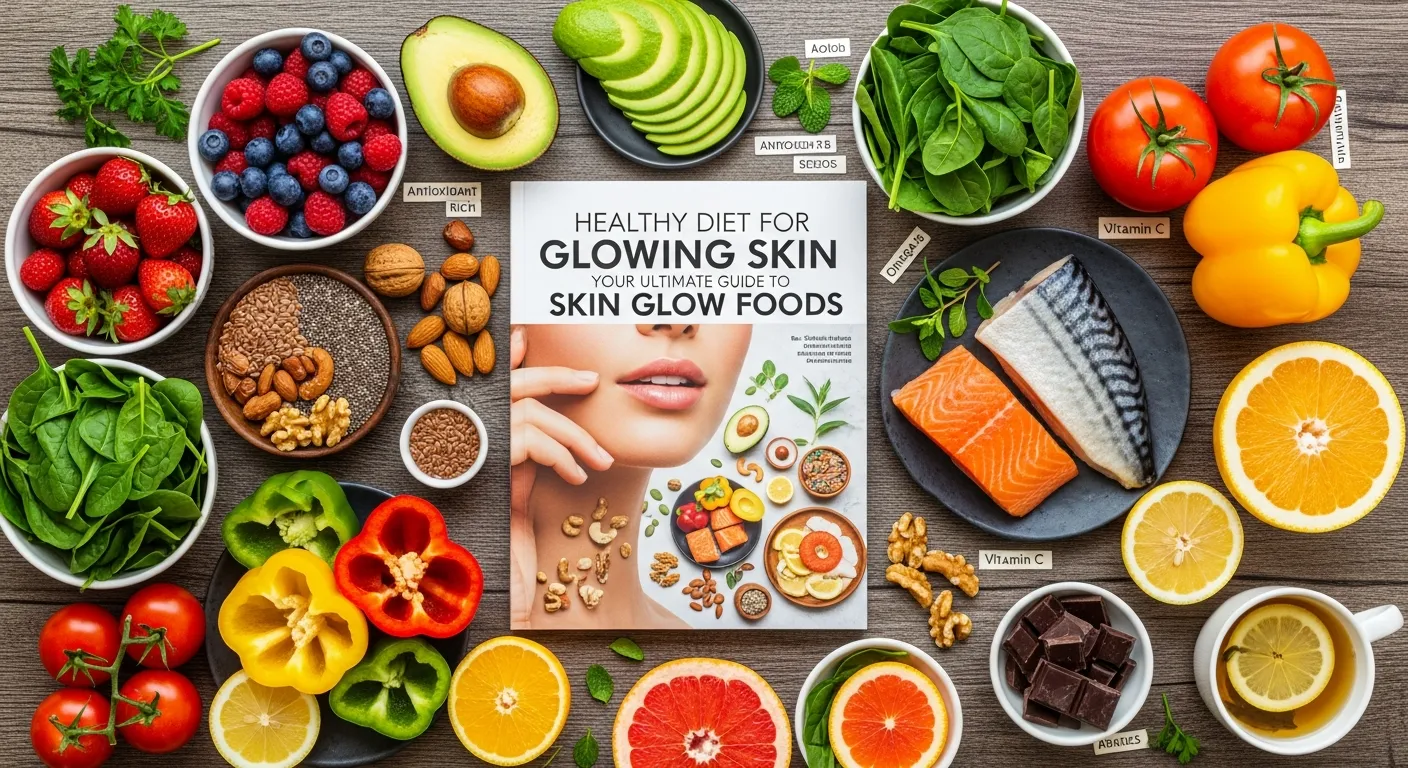
Unlock radiant skin with our 2026 guide. If you are looking for a skin whitening diet, a specific diet plan for glowing skin, or just want to know which foods for brighter skin actually work, this guide by Dr. Gupta covers it all.
- Introduction: The Mirror Never Lies
- The Biology of the Glow
- Skin Glow Foods: The Magnificent Seven for Brighter Skin
- Diet for Glowing Skin in 10 Days: Your Transformation Chart
- Skin Whitening Diet: Truths Behind Bright Skin Food
- Nutrient Density Tables
- Myth-Busters (Fact vs. Fiction)
- Skin Glow Foods for Specific Skin Types
- Conclusion: Your Daily Success Checklist
Introduction: The Mirror Never Lies
Walk through the busy streets of Mumbai or wait at a traffic signal in Bangalore, and you will feel it. The dust, the exhaust fumes, and the relentless sun. In our modern Indian lifestyle, our skin takes a beating every single day. We spend thousands on serums, night creams, and dermatological procedures, yet we often ignore the most fundamental truth of dermatology: your skin is a reflection of your gut.
You cannot scrub away a poor diet. No amount of topical Vitamin C can fix a deficiency of internal antioxidants. This is where the concept of skin glow foods becomes your most powerful weapon. It is not about vanity; it is about biology. When you feed your body the right nutrients, your skin cells—the keratinocytes and fibroblasts—function at their peak. They repair faster, retain moisture better, and fight off the pigmentation caused by UV rays and pollution.
In this comprehensive guide, we are moving beyond generic advice like "drink more water." We are diving deep into the biochemistry of nutrition. We will explore how specific molecules interact with your collagen matrix. We will look at a diet plan for glowing skin that respects your busy schedule and your palate. Whether you are looking for a diet for glowing skin in 10 days or a lifelong transformation, this is your blueprint.
The Biology of the Glow
What Exactly is "Glow"?
To understand skin glow foods, we must first define what "glow" means medically. It is not just oiliness. True radiance is a combination of three biological factors:
- Surface Texture: Smoothness determined by the rate of cell turnover (desquamation).
- Light Reflection: Hydrated cells reflect light; dehydrated cells absorb it, looking dull.
- Even Tone: The absence of chronic inflammation and irregular melanin distribution.
When you search for a skin whitening diet or a diet plan for skin whitening, what you are medically looking for is the reduction of oxidative stress and the inhibition of tyrosinase (the enzyme that produces melanin). Foods rich in specific antioxidants do exactly this—they don't "bleach" you, but they brighten your complexion by cleaning up cellular debris.
The Gut-Skin Axis
Your gut microbiome communicates directly with your skin. This is the Gut-Skin Axis. If your digestion is sluggish or your gut lining is inflamed (leaky gut), endotoxins escape into your bloodstream. Your skin, being an elimination organ, tries to push these toxins out, resulting in acne, dullness, and sensitivity. A glow skin diet plan is, effectively, a gut-healing plan.
Skin Glow Foods: The Magnificent Seven for Brighter Skin
Here we detail the most potent skin glow foods. We will break them down by definition, chemistry, biological impact, and practical routine.
1. Indian Gooseberry (Amla)
Clinical Definition: A fruit containing the highest natural concentration of Vitamin C (Ascorbic Acid) in the plant kingdom.
The Why (Chemistry): Vitamin C is a water-soluble antioxidant. However, the Vitamin C in Amla is unique because it is stabilized by tannins, meaning it doesn't degrade easily when exposed to heat or air, unlike the Vitamin C in lemons.
The How (Biology):
- Collagen Synthesis: Your body uses Vitamin C to convert the amino acids proline and lysine into collagen. Without it, your skin structure collapses, leading to wrinkles.
- Photoprotection: It neutralizes free radicals generated by UV exposure before they can damage your DNA.
The Routine: Don't boil it. Heat destroys the potency.
- Morning: 30ml of fresh Amla juice mixed with warm water on an empty stomach.
- Snack: One dried, salted Amla candy if you crave sugar.
2. Turmeric (Curcumin)
Clinical Definition: A rhizome of the ginger family, known for its primary bioactive compound, Curcumin.
The Why (Chemistry): Curcumin is lipophilic (fat-loving). It has extremely poor bioavailability on its own. It needs piperine (from black pepper) and fat to be absorbed.
The How (Biology):
- Anti-Inflammatory: It inhibits the NF-kB pathway, a protein complex that controls the transcription of DNA and cytokine production. By stopping this, it calms the redness and "angry" nature of acne-prone skin.
- Brightening: It suppresses the production of melanin, making it a staple in any diet plan for skin whitening or brightening.
The Routine: The "Golden Latte" isn't just a trend; it's medicine.
- Night: Warm milk (dairy or almond) + 1/2 tsp Turmeric + 1 pinch Black Pepper + 1/2 tsp Ghee. The ghee provides the lipid base for absorption.
3. Walnuts (Akhrot)
Clinical Definition: A tree nut rich in Alpha-Linolenic Acid (ALA), a plant-based Omega-3 fatty acid.
The Why (Chemistry): The cell membrane of every skin cell is made of a phospholipid bilayer. Omega-3s keep this membrane fluid and flexible.
The How (Biology):
- Moisture Barrier: A fluid cell membrane holds water better. This locks moisture in and keeps pathogens out.
- Sebum Regulation: Omega-3s help regulate oil production, ensuring your skin isn't too dry or too oily.
The Routine: Soak them. Walnuts contain phytic acid which inhibits nutrient absorption.
- Prep: Soak 4 walnut halves in water overnight.
- Consumption: Eat them first thing in the morning with your tea/coffee.
4. Papaya
Clinical Definition: A tropical fruit containing the proteolytic enzyme Papain.
The Why (Chemistry): Papain breaks down proteins. In the context of skin, it acts as an internal exfoliator.
The How (Biology):
- Clearance: It helps the body break down inactive proteins and cellular waste, reducing the load on the lymphatic system.
- Vitamin A: Rich in beta-carotene, which the body converts to Retinol (Vitamin A), essential for cell turnover.
The Routine:
- Mid-Morning Snack: One bowl of ripe papaya.
- Tip: Do not discard the seeds completely; chewing 2-3 seeds can help eliminate gut parasites which often cause skin dullness.
5. Sunflower Seeds
Clinical Definition: Seeds harvested from the sunflower, acting as a premier source of Vitamin E (Tocopherol).
The Why (Chemistry): Vitamin E is a lipid-soluble antioxidant. It lives in the oil (sebum) of your skin.
The How (Biology):
- Sebum Protection: When sebum oxidizes (due to pollution), it turns into a sticky glue that clogs pores (blackheads). Vitamin E prevents this oxidation.
- Scar Healing: It accelerates the healing of acne scars by stabilizing cell membranes.
The Routine:
- Topping: Roasted sunflower seeds add a crunch to your dal, salad, or breakfast poha. Keep a jar on your dining table.
Diet for Glowing Skin in 10 Days: Your Transformation Chart
Many patients ask for a diet for glowing skin in 10 days. While long-term health requires consistency, a 10-day intensive reset can significantly reduce bloating and improve hydration, showing visible results. Here is a specialized skin glow diet chart.
| Meal Phase | Food Items | The Biological Win | Indian Kitchen Swap |
|---|---|---|---|
| Early Morning (7:00 AM) | 2 Glasses Warm Water + 1/2 Lemon + 1 tsp Honey | Alkalizes the body; flushes lymphatic system. | Warm water with Jeera (Cumin) if lemon is too acidic. |
| Breakfast (8:30 AM) | Vegetable Oats Upma (Carrots, Peas) + Handful of Soaked Almonds | Fiber acts as a prebiotic; Vitamin E for skin barrier. | Dalia (Broken Wheat) or Besan Chilla with Spinach. |
| Mid-Meal (11:00 AM) | Bowl of Pomegranate or Papaya | Antioxidants increase blood flow to skin capillaries. | Seasonal fruit (Guava/Orange) with Chaat Masala. |
| Lunch (1:30 PM) | 2 Roti (Multigrain) + Bowl of Dal (for protein) + Sabzi (Methi/Spinach) | Iron ensures oxygen delivery to skin cells (pink glow). | Brown Rice + Rajma (Kidney Beans) + Cucumber Raita. |
| Evening (5:00 PM) | Green Tea + Roasted Makhanas (Fox Nuts) | EGCG in tea reduces DNA damage; low glycemic index snack. | Herbal Tea (Tulsi/Ginger) + Roasted Chana. |
| Dinner (8:00 PM) | Grilled Fish or Paneer Tikka + Salad | Protein provides amino acids for collagen; Omega-3s in fish. | Moong Dal Khichdi with plenty of Ghee. |
| Bedtime (10:00 PM) | Turmeric Milk (Haldi Doodh) | Anti-inflammatory recovery during sleep. | Chamomile Tea or Warm Water. |
Critical Note: For a valid diet plan for glowing skin, you must eliminate refined sugar for these 10 days. Sugar causes "Glycation," a process where sugar molecules bind to collagen, making it stiff and brittle (wrinkles).
Skin Whitening Diet: Truths Behind Bright Skin Food
There is a massive volume of searches for skin whitening diet and diet plan for skin whitening. As a medical authority, we must address this with nuance.
The "Whitening" vs. "Brightening" Distinction
No food will change your genetic melanin set point. If you are born with a beautiful dusky complexion, berries will not turn you porcelain white. However, what people often perceive as "darkening" is actually tanning, hyperpigmentation, and dullness.
Bright skin food works by:
- Inhibiting Tyrosinase: Foods like citrus (Vitamin C) and tomatoes (Lycopene) slow down the enzyme that creates excess melanin in response to sun damage.
- Increasing Cell Turnover: Foods rich in Vitamin A (Sweet Potato, Carrots) help shed the top layer of dead, dull skin cells, revealing fresh cells underneath.
The "Diet Plan for Skin Whitening" Protocol
If your goal is depigmentation (reducing dark spots and tan), your diet must focus on:
- Glutathione Precursors: Glutathione is the body's master antioxidant and has depigmenting properties. You cannot eat Glutathione effectively, but you can eat sulfur-rich foods to help your liver make it.
- Foods: Garlic, Onions, Broccoli, Cabbage, Cauliflower.
- Polyphenols: Found in Green Tea and Dark Chocolate (80%+ Cocoa). They protect against UV-induced pigmentation.
Nutrient Density Tables
To help you choose the best foods for brighter skin, refer to this comparison of common Indian ingredients.
| Nutrient | Role in Skin Health | Top Indian Source | Cost-Effective Alternative |
|---|---|---|---|
| Vitamin C | Collagen building, Brightening | Guava (Amrood) - 200mg/100g | Lemon, Orange |
| Vitamin E | Moisture, UV protection | Almonds (Badam) | Sunflower Seeds, Peanuts |
| Beta-Carotene | Cell turnover, UV defense | Carrots (Gajar) | Sweet Potato (Shakarkandi), Pumpkin |
| Zinc | Acne control, Oil regulation | Pumpkin Seeds | Chickpeas (Kabuli Chana), Cashews |
| Selenium | Elasticity, Sun defense | Brazil Nuts (rare) | Fish, Eggs, Brown Rice |
| Omega-3 | Inflammation, Hydration | Flaxseeds (Alsi) | Walnuts, Mustard Oil (Kachi Ghani) |
Myth-Busters (Fact vs. Fiction)
In the world of glowing skin diet plans, misinformation spreads faster than a viral reel. Let’s fact-check.
Myth 1: Oily foods cause acne.
- Fact Check: Not exactly. Healthy fats (Ghee, Olive Oil, Avocado) are essential for skin health. It is the inflammatory fats (hydrogenated vegetable oils found in roadside samosas, biscuits, and chips) that cause inflammation and acne. A glow skin diet plan includes fat, just the right kind.
Myth 2: Chocolate ruins your skin.
- Fact Check: High-sugar milk chocolate ruins your skin because of the sugar and dairy, which spikes insulin and triggers sebum. Dark chocolate (70% cocoa or higher) is actually excellent for skin hydration due to flavanols.
Myth 3: Drinking 5 liters of water gives you glowing skin.
- Fact Check: Hydration is vital, but over-hydration flushes out electrolytes. You need water plus minerals. Eating water-rich foods (Cucumber, Watermelon) is often more effective for skin hydration than just chugging plain water.
Myth 4: You can detox your skin with juice cleanses.
- Fact Check: Juicing removes fiber. This causes blood sugar spikes, which leads to insulin surges and acne. A smoothie (blended whole fruit) is far superior to juice. Your liver detoxes you, not the juice. Support your liver with cruciferous vegetables instead.
Skin Glow Foods for Specific Skin Types
One size does not fit all. Your diet plan for glowing skin should be tweaked based on your skin type.
1. The Oily/Acne-Prone Skin Diet
- Focus: Low Glycemic Index (GI). High sugar spikes insulin, which spikes oil.
- Eat: Whole grains (Jowar, Bajra), pulses, green leafy vegetables.
- Avoid: White bread, sugary drinks, excessive dairy (milk triggers acne in many people due to IGF-1 hormone).
- Hero Ingredient: Zinc (found in pumpkin seeds and chana) reduces keratin production, preventing clogged pores.
2. The Dry/Dull Skin Diet
- Focus: Healthy Fats and Hydration.
- Eat: Avocado, Ghee, Coconut, fatty fish, flaxseeds.
- Avoid: Excess caffeine and alcohol (diuretics that dry you out).
- Hero Ingredient: Vitamin E (Almonds/Sunflower seeds) to repair the lipid barrier.
3. The Aging/Mature Skin Diet
- Focus: Phytoestrogens and Collagen Boosters.
- Eat: Soy chunks, Tofu, Flaxseeds (contain lignans), Bone broth (for collagen).
- Hero Ingredient: Lycopene (cooked tomatoes) to fight age spots and UV damage.
Conclusion: Your Daily Success Checklist
Achieving radiant skin is not a sprint; it is a marathon. It is about the cumulative effect of hundreds of small, healthy choices. To ensure you stay on track with your glowing skin diet plan, use this daily checklist:
- Hydration Check: Did I drink 3 liters of water? (Check urine color; it should be pale straw).
- The Rainbow Rule: Did I eat at least 3 different colors of vegetables/fruits today?
- The Sugar Audit: Did I avoid refined sugar in my tea/coffee?
- The Fat Factor: Did I include a source of Omega-3s (Walnuts/Flaxseeds)?
- Gut Feeling: Did I consume a probiotic (Curd/Buttermilk)?
Remember, the most expensive foundation you can wear is healthy skin. By incorporating these skin glow foods into your daily routine, you are investing in a glow that doesn't wash off at the end of the day. Start with one change today—perhaps the seeds on your salad or the Amla shot in the morning—and let your biology do the rest.
For specific medical concerns, always consult a dermatologist or a registered dietitian.