
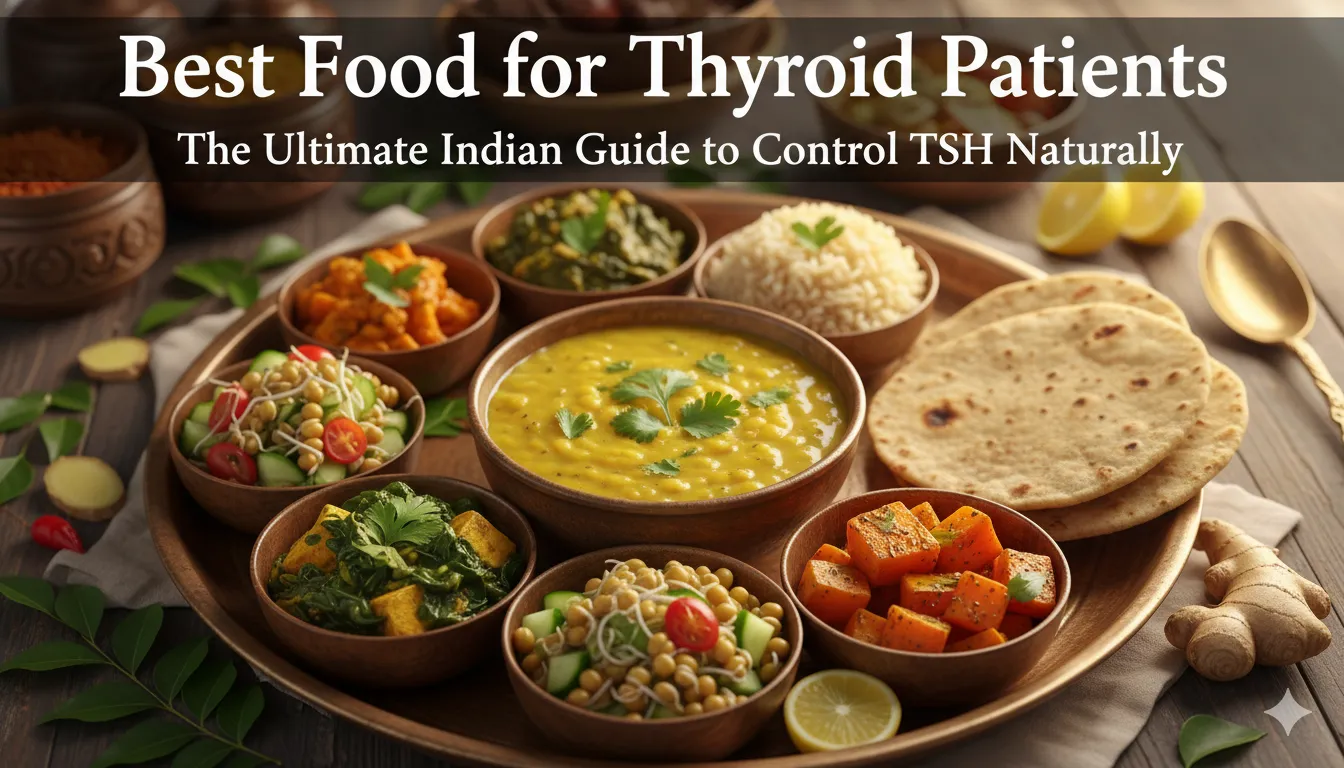
Thyroid disorders have become a silent epidemic in India. Statistics suggest that 1 in 10 Indians suffers from thyroid imbalances, with women being three times more susceptible than men. Whether you live in a bustling metro city like Mumbai or a quiet rural village in Uttar Pradesh, the question remains the same: "What should I eat to get better?"
While medication (like Thyroxine) is non-negotiable for many, it is only half the battle. The other half is won in your kitchen.
If you are looking for the best food for thyroid patients, this guide is your ultimate resource. Unlike general articles that suggest exotic and expensive ingredients like Kale and Asparagus, this blog focuses on accessible, affordable, and highly nutritious Indian foods suitable for both urban and rural populations. We will explore the science of nutrition, bust myths about "banned" vegetables, and provide you with a practical diet chart to regain your energy and manage your weight.
In A Hurry? Key Takeaways (30-Sec Summary)
For patients searching for the best food for thyroid management in India, here is your cheat sheet:
- Best Foods (Eat Daily): Homemade Curd (Probiotics), Coconut Oil/Ghee, Moong Dal, Eggs, and Makhana.
- Foods to Avoid (Strictly): Raw Soy (Soya Chunks), Raw Cabbage/Broccoli, White Sugar, and Gluten (if bloating persists).
- Best Fruits: Apple (Pectin), Papaya, Pineapple, and Berries.
- Golden Tip: Always use Iodized Salt (Tata Salt) and cook your cruciferous vegetables thoroughly to neutralize goitrogens.
*Scroll down for the detailed North & South Indian diet charts.
- 1. The Thyroid-Diet Connection: Why Food Matters
- 2. The Holy Trinity of Nutrients: Iodine, Selenium, and Zinc
- 3. Best Food for Thyroid Patients: The Indian Superfoods List
- 4. Urban vs. Rural: Tailoring the Diet to Your Location
- 5. Which Fruit is Good for Thyroid?
- 6. The Truth About Oils: Cooking the Right Way
- 7. How to Control Thyroid in Female: A Gender-Specific Guide
- 8. Thyroid Foods to Avoid: Dispelling the Myths
- 9. Detailed Indian Diet Charts (Budget-Friendly)
- 10. Lifestyle Factors: Beyond the Plate
- 11. Conclusion
1. The Thyroid-Diet Connection: Why Food Matters
The thyroid is a small, butterfly-shaped gland at the base of your neck. Think of it as your body's "engine controller." It releases hormones (T3 and T4) that dictate how fast or slow your organs work.
- Hypothyroidism (Underactive): The engine is too slow. You gain weight, feel cold, and get tired easily.
- Hyperthyroidism (Overactive): The engine is too fast. You lose weight rapidly and feel anxious.
Most Indian patients suffer from Hypothyroidism.
While food cannot "cure" a thyroid disease permanently, eating the good foods for thyroid patients can:
- Increase the absorption of your medication.
- Reduce inflammation (swelling) in the gland.
- Manage symptoms like hair fall, dry skin, and constipation.
Note: This blog is for educational purposes. Always consult your Endocrinologist before making drastic changes.
2. The Holy Trinity of Nutrients: Iodine, Selenium, and Zinc
To choose the best food for thyroid patient care, you must understand what fuel the thyroid engine needs. It relies heavily on three specific micronutrients.
A. Iodine: The Building Block
Iodine is the primary ingredient your body uses to create thyroid hormones.
- The Indian Context: Decades ago, goiter (swollen neck) was common in rural India due to iodine deficiency. Today, thanks to Iodized Salt (Tata Salt/generic brands), deficiency is rare in cities but still monitored in rural belts.
- Sources: Iodized salt, seafood (fish), and dairy products (milk/yogurt).
B. Selenium: The Defender
Once the thyroid makes the hormone (T4), it needs to be converted into the active form (T3) to give you energy. Selenium makes this conversion happen. It also protects the thyroid gland from damage.
- Sources: Sunflower seeds, poultry, eggs, and brown rice.
C. Zinc: The Regulator
Zinc helps regulate the TSH (Thyroid Stimulating Hormone). A deficiency in zinc can lead to hypothyroidism symptoms even if TSH levels look "normal."
- Sources: Chickpeas (Chole), Pumpkin seeds (Kaddu ke beej), and lentils (Dal).
3. Best Food for Thyroid Patients: The Indian Superfoods List
When we talk about thyroid control foods, we don't need to look at western imports. The Indian kitchen is a goldmine. Here is a categorized list of good foods for thyroid patients:
1. Whole Grains & Millets (Anaaj)
Forget refined flour (Maida). Fiber is your friend because constipation is a major symptom of thyroid issues.
- Best Options: Brown Rice, Broken Wheat (Daliya), Oats, and Millets like Bajra (Pearl Millet) and Jowar (Sorghum).
- Why? They release energy slowly, keeping your metabolism active throughout the day.
2. Dairy Products (Doodh aur Dahi)
Yogurt (Curd/Dahi) is one of the best food for thyroid health.
- Why: It is rich in Iodine and, more importantly, Probiotics. Good gut health is essential because inflammation in the stomach can trigger autoimmune thyroid issues (Hashimoto’s).
- Tip: Stick to homemade curd. Avoid market-bought flavored yogurts loaded with sugar.
3. Pulse & Legumes (Daal)
- Best Options: Moong Dal (Green gram), Masoor Dal, and Kabuli Chana.
- Why? They are high in Zinc and Fiber. Moong dal is the easiest to digest and prevents gas/bloating.
4. Nuts and Seeds
- Pumpkin Seeds (Kaddu ke beej): Rich in Zinc.
- Sunflower Seeds: Packed with Selenium.
- Flax Seeds (Alsi): High in Omega-3 for heart health (often compromised in thyroid patients).
- Recommendation: Eat a teaspoon of roasted mixed seeds daily as a mid-morning snack.
5. Makhana (Fox Nuts)
Makhana is a rural Indian staple that is gaining global fame. It is low in calories, high in selenium, and creates a feeling of fullness, helping in weight loss associated with hypothyroidism.
4. Urban vs. Rural: Tailoring the Diet to Your Location
The food to eat for thyroid patients varies based on accessibility.
For the Rural Audience (Gaon/Tier-3 Cities):
- The Power of Fresh Greens: Use seasonal Saag (Sarson, Bathua, Methi). Freshly picked greens are higher in antioxidants than store-bought ones. Cook them well to remove goitrogens.
- Amla: In rural areas, fresh Amla is abundant. It is the best source of Vitamin C to boost immunity.
- Jaggery (Gud): Instead of white sugar, use organic jaggery in moderation. It provides Iron, which fights the fatigue caused by thyroid.
- Buttermilk (Chaas): A daily glass of fresh buttermilk works better than expensive probiotic supplements.
For the Urban Audience (Metro Cities):
- Brazil Nuts: If you can afford them, just 2 Brazil nuts a day provide your entire daily requirement of Selenium.
- Seaweed/Nori: Urban supermarkets often stock seaweed sheets (used in Sushi), which are the highest source of Iodine.
- Avocados: While expensive, they offer great healthy fats if they fit your budget.
- Be Careful: Urban diets often rely on "Atta Bread" or "Multi-grain Biscuits." These are often processed. Stick to cooked whole grains (Daliya/Khichdi).
5. Which Fruit is Good for Thyroid?
A very common query on Google is: "Which fruit is good for thyroid?"
Almost all fruits are good, but some have specific medicinal properties for the thyroid gland.
- Apple: Contains pectin, a fiber that helps detoxify heavy metals like mercury from the body (which can interfere with thyroid function).
- Berries (Indian Varieties): Jamun (Java Plum), Strawberries, and Phalsa. They are loaded with antioxidants that protect the thyroid from oxidative stress.
- Pineapple: Contains Bromelain, an enzyme that helps reduce inflammation in the body.
- Papaya: One of the best fruits for digestion. Hypothyroid patients often suffer from low stomach acid; papaya enzymes help break down proteins.
Q: Which fruits are good for thyroid regarding sugar?
A: If you also have diabetes or high insulin resistance (common with thyroid), stick to low-sugar fruits like Guava, Apple, and Berries. Avoid Mango and Chikoo in excess.
6. The Truth About Oils: Cooking the Right Way
You cannot discuss the best food for thyroid without discussing the medium of cooking. Refined oils (like standard soybean or canola oil) are high in Omega-6 fatty acids, which are pro-inflammatory. Inflammation makes the thyroid gland work harder and less efficiently.
So, what should you use?
- Coconut Oil: It contains Medium Chain Triglycerides (MCTs) which can help boost metabolism—something that is often sluggish in thyroid patients.
- Ghee (Clarified Butter): Contains Butyric acid which supports gut health.
- Olive Oil: Great for salads (Urban audience), but not for high-heat Indian frying.
For a deeper dive into choosing the absolute best oil for your condition, read our comprehensive guide here:
Which Cooking Oil is Good for Thyroid Patients? An Indian Kitchen Guide
7. How to Control Thyroid in Female: A Gender-Specific Guide
When searching for how to control thyroid in female populations, we must acknowledge that women face unique hormonal challenges. Menstruation, pregnancy, and menopause all interact with thyroid function.
Note: Many females with thyroid issues also face PCOD. Ensure your diet has low-glycemic index foods.
A. Combat Anemia (Iron Deficiency)
There is a direct link between Iron Deficiency Anemia and poor thyroid function. Many Indian women are anemic.
- Solution: Incorporate Iron-rich foods like cooked Spinach (Palak), Beetroot, Pomegranate, and Dates (Khajoor). Note: Keep a 4-hour gap between Calcium supplements and Iron-rich foods for better absorption.
B. Stress & Cortisol
High stress releases Cortisol, which blocks the conversion of T4 hormone to active T3. Women often juggle multiple responsibilities leading to chronic stress.
- Solution: Adaptogenic foods like Ashwagandha (consult your ayurvedic doctor) can lower cortisol. Practice simple deep breathing exercises like Ujjayi Pranayama.
C. Soy Caution
While protein is good, excessive Soy consumption can be tricky for women.
- The Rule: Avoid processed soy (Soya chunks/isolate powder) daily. Fermented soy or occasional tofu is generally fine, but ensure you have adequate iodine intake.
8. Thyroid Foods to Avoid: Dispelling the Myths
It is equally important to know the thyroid foods to avoid. However, there are many myths surrounding this list. Let’s clarify them using science.
The Cruciferous Vegetable Myth (Goitrogens)
- The Fear: Broccoli, Cabbage, Cauliflower, and Kale contain Goitrogens, substances that interfere with iodine uptake.
- The Truth: Goitrogens are deactivated by heat. You do NOT need to stop eating Gobhi ki sabzi. Just do not eat them raw. Avoid raw salads involving these veggies and raw kale juice. Cooking/steaming makes them safe.
The Gluten Connection
- The Fact: Many studies suggest a link between Hashimoto’s Thyroiditis (Autoimmune thyroid) and Gluten intolerance.
- The Action: If you have constant bloating and fatigue, try a "Gluten Elimination" diet for 2 weeks. Stop Wheat (Roti) and switch to Rice or Bajra/Jowar. If you feel better, your thyroid might be sensitive to gluten.
Processed "White" Foods
- Avoid: Maida (White flour), White Sugar, and highly processed salty snacks.
- Why: They spike blood sugar. Insulin spikes destroy the thyroid gland's ability to regulate metabolism effectively.
Table: Thyroid Foods to Eat and Avoid
| Food Group | Green Light (Eat These) | Red Light (Avoid/Limit) |
|---|---|---|
| Grains | Brown Rice, Quinoa, Bajra, Oats, Jowar | White Bread, Biscuits, Maida Pasta |
| Vegetables | Cooked Spinach, Pumpkin, Gourds (Lauki/Tori), Carrots | Raw Cabbage, Raw Broccoli, Raw Cauliflower |
| Fruits | Apple, Papaya, Pineapple, Citrus Fruits | Canned fruits in sugar syrup |
| Proteins | Eggs, Fish, Moong Dal, Lentils | Highly processed Soy meats, fatty red meat |
| Drinks | Green Tea, Coconut Water, Coriander Seed Water | Alcohol, excessive Coffee, Sugary Sodas |
9. Detailed Indian Diet Charts (Budget-Friendly)
To make this practical, here are sample diet for thyroid patients charts. These include thyroid controlling foods naturally integrated into meals.
Option A: North Indian Style (Winter/General)
- Early Morning (Empty Stomach):
- 1 glass of warm water + 1 tsp Coriander seeds (soaked overnight).
- Take your Thyroid Medication (Wait 45 mins before eating).
- Breakfast:
- Vegetable Besan Chilla (Gram flour pancakes) with Mint Chutney.
- OR Vegetable Oats Porridge (Daliya).
- Mid-Morning:
- 1 Apple or Guava.
- 4 Walnuts + 1 tsp Sunflower seeds.
- Lunch:
- 2 Multigrain Rotis (Wheat + Jowar mix).
- 1 bowl Yellow Dal or Moong Dal.
- 1 bowl Cooked Vegetable (e.g., Gajar-Matar or cooked Spinach).
- 1 bowl Curd (Dahi).
- Evening Snack:
- 1 cup Green Tea.
- 1 cup Roasted Makhana (Foxnuts).
- Dinner:
- 1 bowl Bottle Gourd (Lauki) Curry.
- 1 Roti OR a small portion of Brown Jeera Rice.
- Finish dinner 2-3 hours before sleep.
- Bedtime:
- Turmeric Milk (Haldi Doodh) - A pinch of turmeric and black pepper.
Option B: South Indian Style
- Early Morning: Warm water with Lemon and Ginger.
- Breakfast:
- 2 Idlis (Rava or Rice/Urad) with Sambhar (add plenty of drumsticks/vegetables).
- Coconut Chutney (Good fat).
- Lunch:
- 1 cup Brown Rice or Red Rice (Matta rice has better fiber).
- 1 cup Fish Curry (prepared in Coconut oil) OR Sambar.
- 1 cup Poriyal (Beans/Carrot - strictly cooked).
- Evening Snack:
- Boiled Sundal (Chickpeas) tempered with mustard seeds.
- Dinner:
- 2 Dosa (preferably Ragi Dosa).
- Vegetable Kurma.
10. Lifestyle Factors: Beyond the Plate
Searching for how to control thyroid in female or male patients doesn't end with food. You must incorporate the YMYL principle—Your Lifestyle determines your Health.
- Sleep: Lack of sleep disrupts the pituitary gland, which controls the thyroid. Aim for 7-8 hours.
- Exercise: A sedentary lifestyle is the enemy.
- Recommendation: 30 minutes of brisk walking daily increases tissue sensitivity to the thyroid hormone.
- Water Intake: Dehydration makes metabolism sluggish. Drink 3-4 liters of water. Coriander water (Dhaniya paani) is a popular home remedy believed to aid thyroid function.
- Avoid Plastics: Studies show that chemicals in plastic bottles (BPA) act as endocrine disruptors. Drink from steel, glass, or copper vessels.
11. Conclusion
Managing thyroid health is a marathon, not a sprint. The "best food for thyroid patients" isn't a single magical fruit or vegetable; it is a consistent, balanced diet rich in Whole Grains, Good Fats (Coconut/Ghee), Fiber, and Essential Micronutrients (Iodine/Selenium/Zinc).
Whether you are from a village using fresh produce from the farm or a city dweller navigating supermarkets, the rule is simple: Eat Fresh, Cook Thoroughly, and Avoid Processing.
Start by making small changes today. Swap your white bread for oats, your refined oil for cold-pressed oil, and your evening biscuit for roasted makhana. Your thyroid—and your energy levels—will thank you.
Take charge of your health today! If you found this guide helpful, check out our detailed analysis on cooking mediums: Which Cooking Oil is Good for Thyroid Patients? and share this blog with your family and friends.
Medical Disclaimer
The content provided in this blog, including diet charts and food recommendations, is for informational purposes only and has been medically reviewed by qualified professionals. However, it is not intended to substitute professional medical advice, diagnosis, or treatment.
Every thyroid patient has a unique medical profile. Do not stop taking your prescribed thyroid medication (like Thyroxine/Eltroxin) or drastically change your diet without consulting your Endocrinologist. Always seek the advice of your physician regarding any medical condition.